It’s happening quietly. But if you’ve been paying attention, you’ve noticed it.
The sweet shop down the street that used to hand out thin polythene bags is now handing out paper bags. The pharmacy at the corner has paper bags with its logo on them. The boutique clothing store, the organic grocery, the mid-range restaurant doing takeaway… all of them have made the switch or are in the process of making it.
So what’s actually driving this? Is it just the plastic ban? Or is something bigger going on?
The honest answer is – it’s both.
The Regulatory Push Is Real And It’s Not Going Away
India’s ban on single-use plastics has been on paper since 2022. But 2025 and 2026 have seen actual enforcement catch up with legislation. Fines. Raids. Suppliers are refusing to stock non-compliant bags. Businesses are caught unprepared.
Paper bags don’t carry that risk. They’re compliant by default for most retail applications — no minimum GSM anxiety, no worrying about whether your carry bag crosses into restricted territory. For a business owner who just wants to focus on running their business… that peace of mind has real value.
But here’s what most people miss. The regulatory push is only part of the story. It gets businesses to paper bags. What makes them stay is something else entirely.
Customers Are Watching What You Hand Them
This is the part that doesn’t get talked about enough.
Consumer behaviour in India has shifted. Not uniformly, not overnight – but it has shifted. Urban customers, especially in metros and tier-1 cities, have started forming opinions about brands based on their packaging choices. A plastic bag signals indifference. A paper bag… signals effort.
It’s not rational. It doesn’t have to be. That’s how perception works.
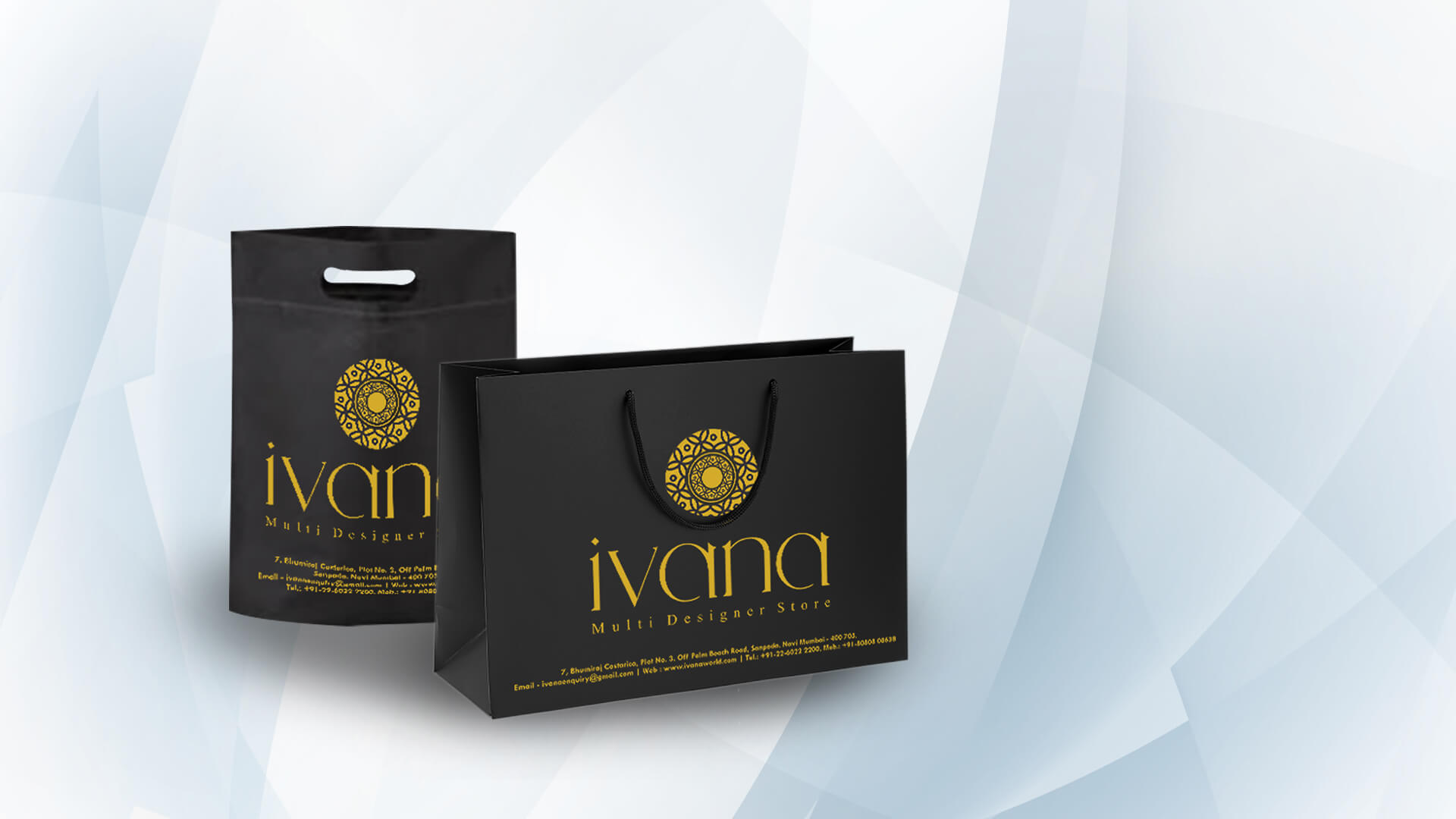
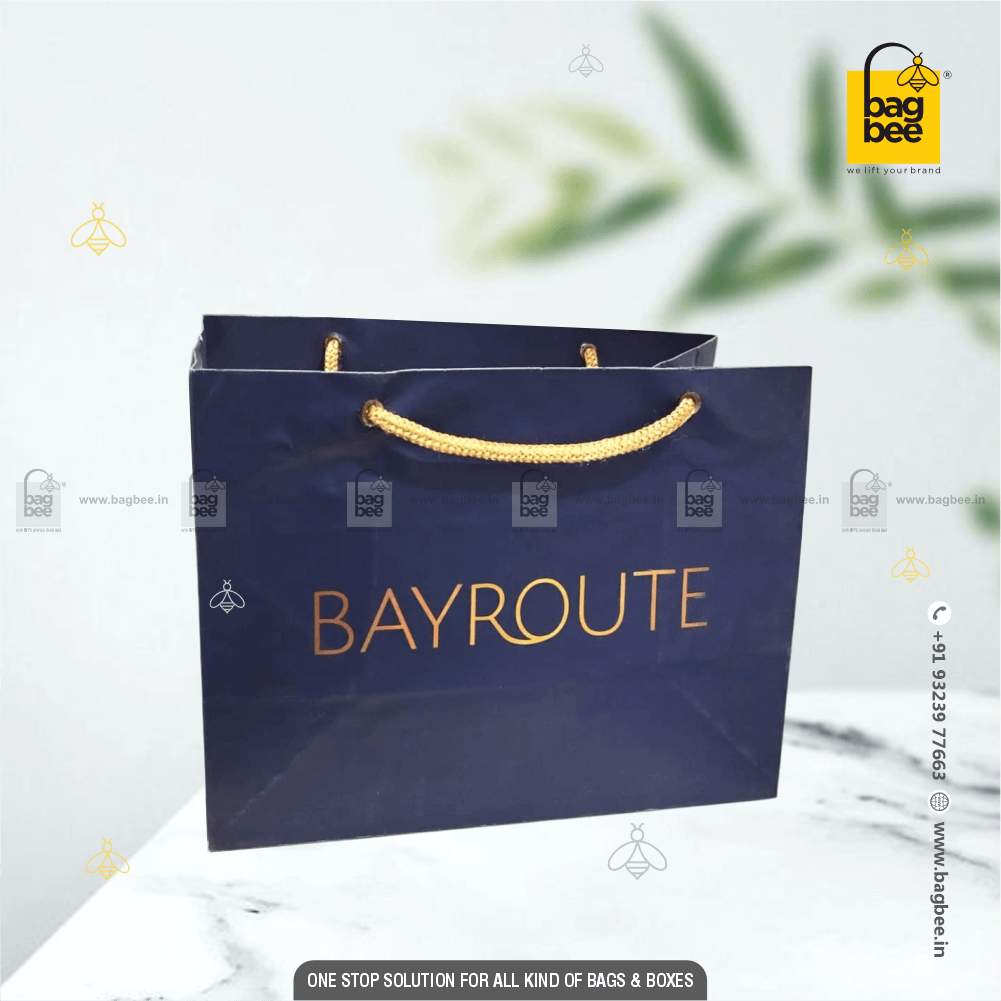
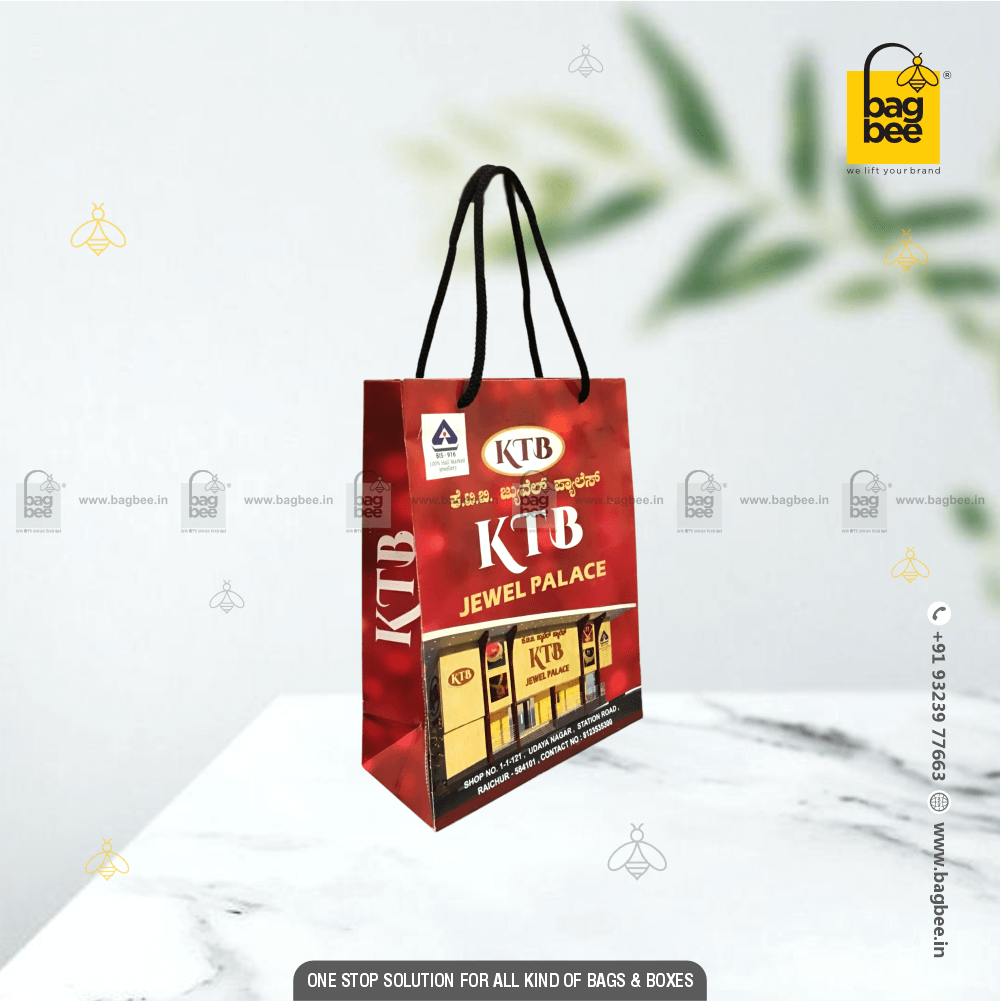
When a customer walks out of your store with a well-made, printed kraft paper bag, they carry your brand through a market, a mall corridor, an office building. Every person who sees that bag sees your name. That’s passive advertising, you don’t pay per impression for.
Cloth bags do this, arguably better. But cloth bags cost significantly more per unit. Paper bags give you most of that brand visibility benefit at a fraction of the cost. For mid-volume businesses, that’s a compelling equation.
The Economics Have Quietly Improved
Paper bags used to be expensive relative to plastic. That gap has narrowed considerably.
As demand has scaled up — more manufacturers, more competition, better production technology — per-unit costs for kraft and paper bags have come down. For businesses ordering in bulk… the difference is often smaller than expected.
And when you factor in the hidden costs of plastic? The regulatory risk, the potential fines, the reputational cost if a customer screenshots your packaging and posts it — paper starts looking even more reasonable.
There’s also the supplier ecosystem. Paper bag manufacturers in India, especially in manufacturing hubs like Mumbai, Thane, and the broader Maharashtra region, have significantly improved their customisation capabilities. Custom sizes, printed logos, food-grade variants, laminated options for moisture resistance — what used to require large minimum orders and long lead times is now accessible to small and mid-size businesses.
Food and Pharma Are Leading the Charge. Here’s Why:
Two sectors in particular have accelerated the shift to paper packaging — food service and pharmaceuticals.
For food businesses, paper is a natural fit. It’s breathable, which matters for baked goods. It’s food-safe when the right grade is used. And it looks premium… which influences how customers perceive what’s inside before they even open it. A bakery putting its pastries in a well-designed paper bag is telling you something about the quality of the product. Consciously or not, customers respond to that.
For pharma, compliance is king. The sector already operates under strict regulatory scrutiny, and paper bags, particularly non-laminated kraft variants, align cleanly with packaging guidelines for many OTC and consumer health products.
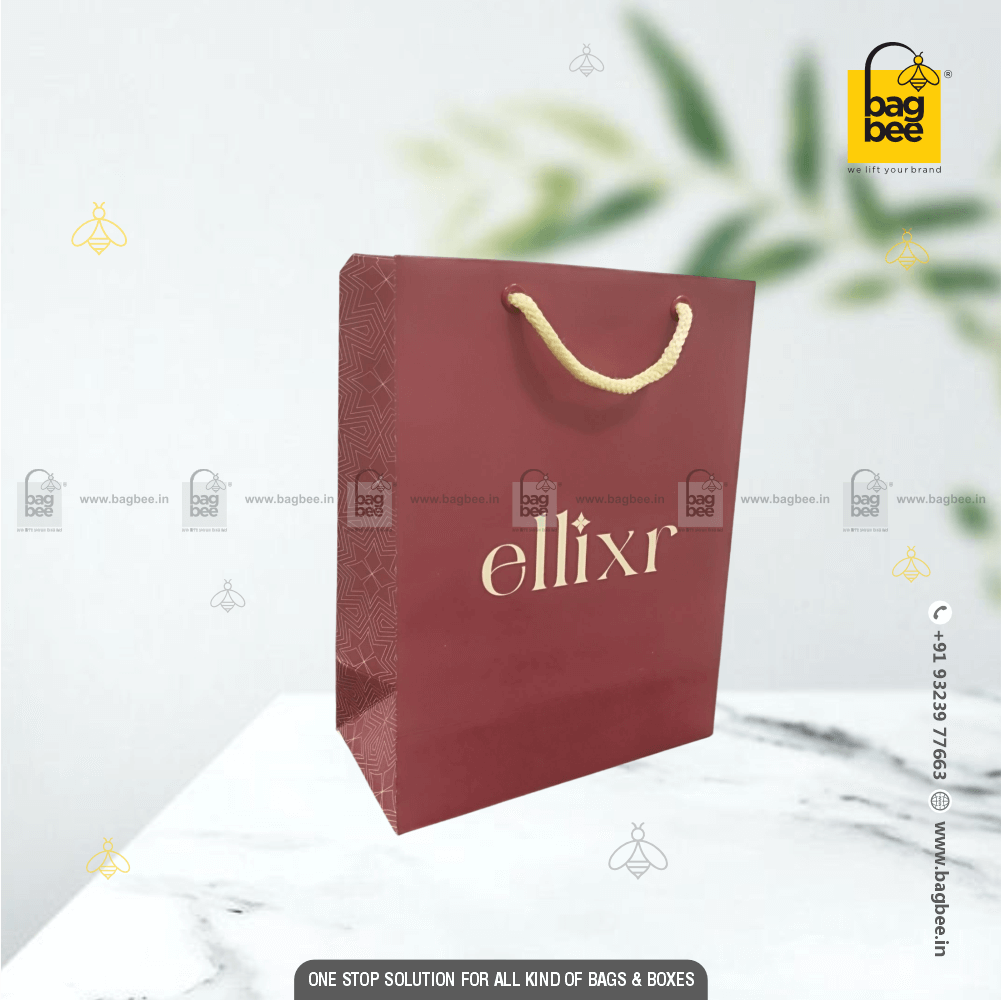
What to Actually Look for in a Paper Bag Manufacturer
Not all paper bags are equal. And not all manufacturers are equal either.
If you’re evaluating paper bag suppliers, here’s what matters — beyond just price.
Material quality and GSM – The weight of the paper directly affects durability. Don’t buy on price alone without understanding what you’re actually getting.
Food-grade certification – If you’re in food service, this isn’t optional.
Customisation flexibility – Can they match your brand colours? Do they offer printed options without forcing you into a 10,000-unit minimum?
Turnaround time – For businesses with seasonal demand spikes, lead time matters as much as unit price.
Local manufacturing – A manufacturer based in Mumbai or Thane versus one shipping from another state — the logistics difference affects both cost and reliability.
The Bottom Line
Businesses aren’t switching to paper bags because it’s trendy. They’re switching because the risk-reward calculation has changed fundamentally.
Compliance risk has gone up. Customer expectations have risen. The cost gap with plastic has narrowed. And the branding opportunity that paper packaging offers… is real and measurable.
The businesses making this switch now are ahead of the curve. The ones waiting are just delaying the inevitable and paying a higher price for it, in more ways than one.
Bag Bee manufactures custom paper bags in Mumbai & Thane for retail, food service, pharma, and gifting. Get in touch for bulk pricing and samples.