You’ve probably been asked this question a dozen times. By a client. By your packaging vendor. Maybe even by yourself at 11pm before placing a bulk order.
Which bag should my business actually be using?
It’s not as simple as it sounds. Because in India right now, the answer depends on more than just cost. It depends on what you’re carrying, who’s carrying it, and whether you’ll get fined if you get it wrong. Let’s break it down properly.
An Overview Of The Current Scenario
India’s ban on single-use plastics came into effect in 2022. But enforcement? That took time to catch up. In 2026, it’s being taken seriously. Municipal raids, fines on retailers, refusals at checkpoints, it’s no longer theoretical.
So before you even think about durability or branding, your bag choice has to be compliant.
Here’s where each type stands:
Paper bags are generally permitted. No major restriction exists at the national level for paper carry bags, provided they meet the minimum thickness standard for paper-based packaging.
Non-woven bags made from polypropylene (PP) are also permitted, they fall under reusable bags, not single-use plastic. This is a critical distinction that many retailers still don’t understand.
Cloth bags — cotton, canvas, jute, or mixed fabric — face no restrictions. They are completely safe from a regulatory standpoint and will likely remain so.
Compliance isn’t the finish line, though. It’s just the starting point.
A Comparison Between Paper vs Non-Woven vs Cloth Bags
Paper Bags
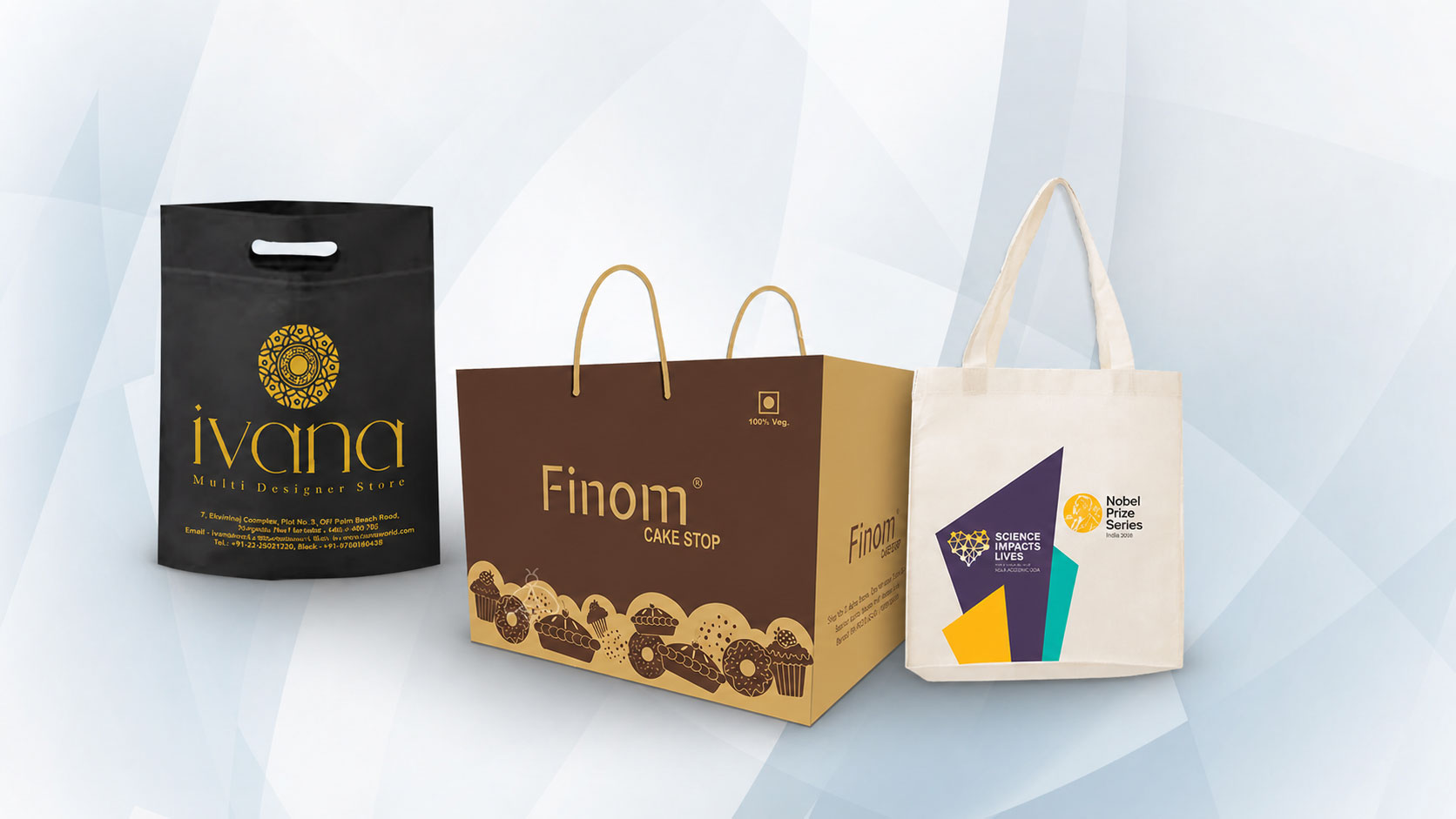
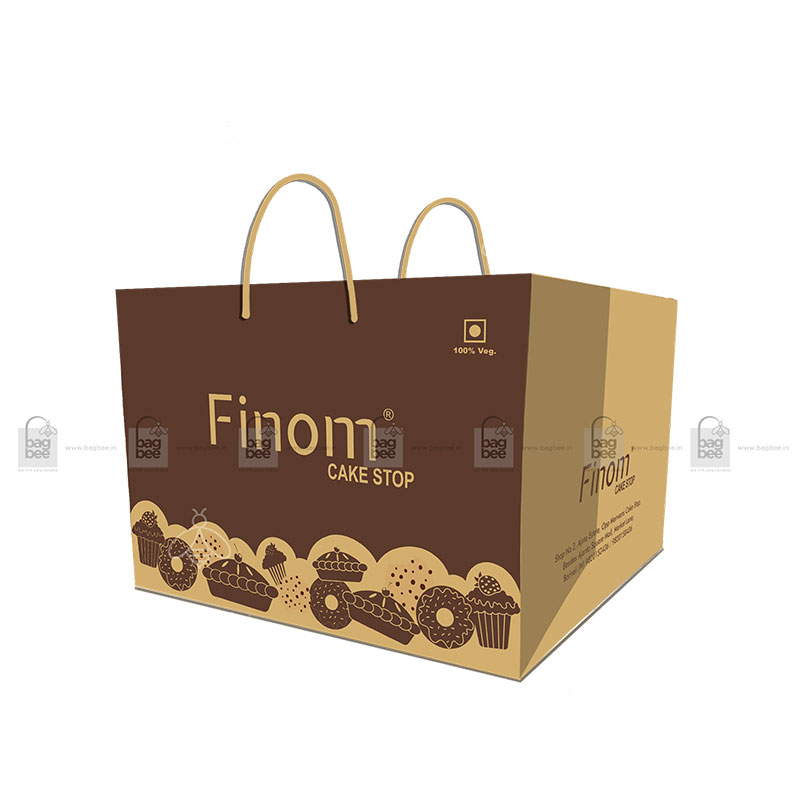
Paper has come a long way. Kraft paper bags are sturdier than they used to be, and with lamination, they can handle moderate weight without issue. For bakeries, boutiques, and premium gifting, they look excellent. That matters.
But here’s the reality. Paper bags are vulnerable. Moisture is their enemy. One rain, one wet counter, one heavy item – and the bag fails. Their typical usable life is 2–3 uses at best. After that, they’re done.
For a business doing high-volume retail with bulk packaging needs… that adds up fast.
Non-Woven Bags
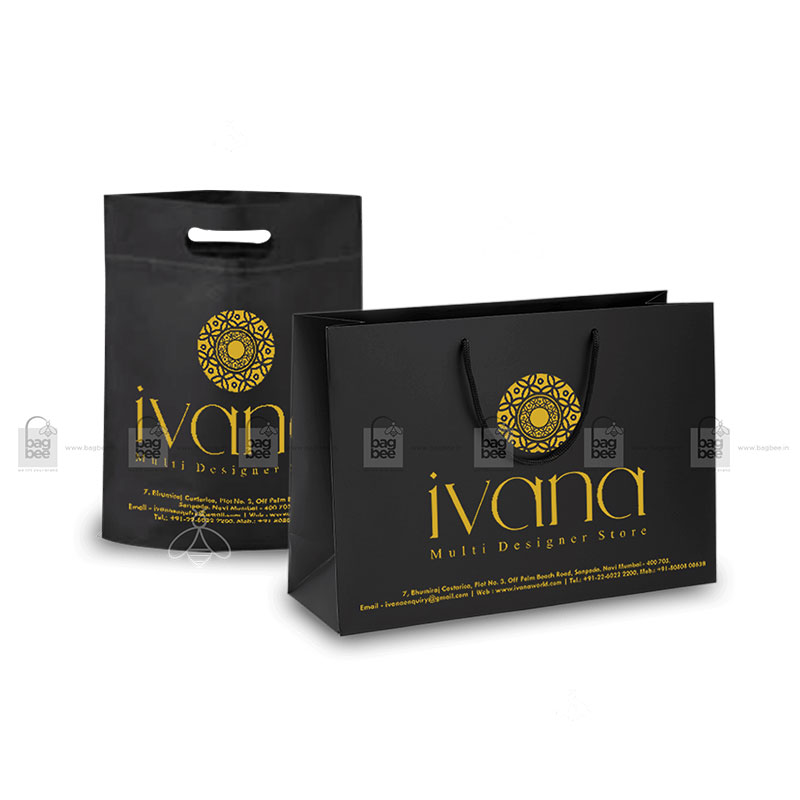
Non-woven PP bags sit in a sweet spot. They’re light, printable, reasonably priced in bulk, and significantly more durable than paper. A well-made non-woven bag can typically be reused 50 times or more. That’s not a marketing claim – it’s the nature of the material. PP fibres are bonded, not woven, making them resistant to tearing under normal load conditions.
They handle moisture better than paper. They’re machine-produceable at scale. And because they’re reusable, each bag your customer takes home keeps your brand visible long after the purchase.
The trade-off? They’re not biodegradable in the traditional sense. PP takes decades to break down. So while they’re legally compliant and practically superior to plastic, they’re not the most eco-pure option on paper… no pun intended.
Cloth Bags
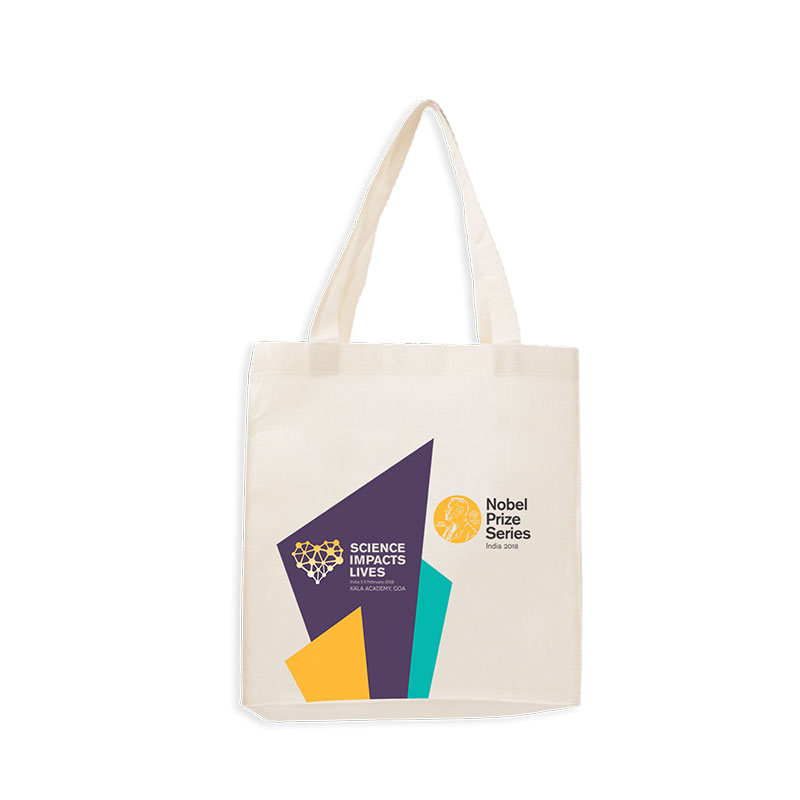
Cotton, canvas, and jute bags are in a different category entirely. Their shelf life isn’t measured in uses – it’s measured in years. A good canvas bag, properly stitched, can last 3–5 years with regular use. Jute is slightly less durable but still well above the other two.
These bags carry heavier loads without issue. They’re machine washable. They genuinely degrade naturally at end of life. And for brands that want to make a statement about sustainability — not just comply with it – cloth bags deliver that message every single time a customer walks out the door with one.
The downside is cost. Cloth bags are the most expensive of the three per unit. For high-frequency, high-volume businesses like grocery stores or QSR takeaway, the economics don’t always work.
So Which One Should Your Business Choose?
There’s no universal answer. But there’s a useful framework.
If you’re in food, bakery, or premium retail – paper bags make sense for the presentation value. Just don’t rely on them for heavy or wet items.
If you’re in grocery, pharma, apparel, or any mid-to-high-volume retail – non-woven bags are the practical choice. Compliant, durable, brandable, and cost-effective at scale.
If you’re building a brand identity, targeting corporate gifting, or running an exhibition or event – cloth bags are worth the investment. Customers keep them. Which means your brand stays visible for longer.
Conclusion
India’s packaging landscape is changing… fast. Regulatory pressure is real. Customer expectations are shifting. And businesses that think strategically about their packaging now will be better positioned, both for compliance and for brand perception – as these pressures intensify.
A bag isn’t just a bag. It’s the last thing your customer touches before they walk out. Make that count.
Bagbee manufactures custom paper bags, non-woven bags, and cloth bags in Mumbai & Thane. Contact us for bulk pricing and customisation options.